Safety Pays: Reduce Safety Costs Through Employee Engagement
According to the Liberty Mutual Workplace Safety Index 2021, U.S. businesses spend more than 1 BILLION dollars a week on serious, nonfatal workplace injuries. Overexertion falls, and being struck by an object are some of the most common causes of workplace accidents.
According to the Liberty Mutual Workplace Safety Index 2021, U.S. businesses spend more than 1 BILLION dollars a week on serious, nonfatal workplace injuries. Overexertion falls, and being struck by an object are some of the most common causes of workplace accidents.
[FREE GUIDE] How to Improve Health and Safety for Hourly Workers: Using technology to make frontline work safer
A Gallup study found that business units with engagement scores in the top quartile of Gallup’s employee engagement database have 70% fewer safety incidents compared with bottom-quartile units. That means a highly engaged workforce is imperative to workplace safety.
First, we’ll look at what employee engagement means. Then we’ll go into specific ways higher engagement rates benefit frontline worker safety.
To put it simply, employee engagement describes the relationship employees have with the organization they work for.
When employees are highly engaged, they enjoy their job and go above and beyond to improve workplace safety conditions.
By investing in the right tools and safety pays program, organizations can create and sustain a highly engaged, thriving workforce.
Mobile platforms like Beekeeper allow for real-time communication and feedback. Let’s look at why convenient, transparent communication translates to frontline worker safety.
Pro Tip: Want to create a safety pays program? Use the Osha Safety Pays Calculator to estimate the costs of work related injuries and how it would impact profitability.
1. Company-Wide Safety Campaigns
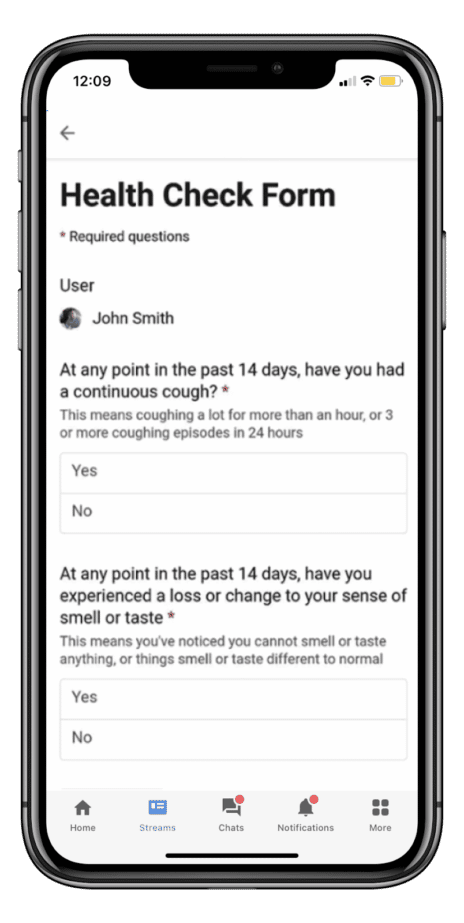
By switching to a mobile communication platform, organizations can create a safety pays program that allows frontline workers to stay informed about important health and safety updates.
A company-wide safety and health program has a much higher chance of making an impact when it’s delivered in a way that’s convenient and accessible for frontline workers.

Health and Safety Stream in Beekeeper
2. Feedback from the Frontlines
When frontline employees have a chance to give feedback on safety conditions, companies can use that feedback to improve safety procedures and mitigate the effects of work-related injuries.
Engaged employees have the tools to give feedback and know that managers will listen. Employees who know that their voice is heard and valued are more likely to speak up when they have safety concerns.
3. Standardized Safety Procedures
The goal of standardized safety procedures in a safety and health program is to make sure that all workers are aware of and follow safety measures consistently.
Mobile platforms like Beekeeper make it easy for frontline workers to access these procedures at a moment’s notice. That makes it more likely that safety procedures in a safety pays program are put into practice on a company-wide level.
4. Safety Culture
Engaged employees who actively participate in making their workplace safer are inevitably creating a company culture where safety is a priority.

When safety is a priority, fewer accidents happen. And when they do, companies can report and analyze incidents so they don’t happen again. That’s how safety pays.
Frontline employee engagement raises awareness around safety concerns so that companies can put preventative procedures in place. Giving frontline workers the right tools to stay engaged ultimately leads to a safer workplace.
About the author
Top

_en_opt.webp)