How to Create a Company Culture That Scales

As organizations grow, culture requires intentional reinforcement. Consistent communication, shared ways of working, and connected employee experiences help employees stay aligned around a common purpose, regardless of where or how they work.
Company culture is easy to talk about but much harder to build.
Most organizations have values, mission statements, and leadership principles. But as teams grow, offices expand, and work becomes more distributed, there's often a gap between what the company says it stands for and what employees experience day to day.
That’s why more leaders are asking how to create a company culture that can scale. Not just a culture that exists in onboarding materials or all-hands meetings, but one that consistently shapes how people communicate, collaborate, make decisions, and connect to a shared purpose.
Your company culture impacts far more than the employee experience. It influences retention, engagement, and long-term business performance. According to Gallup, organizations with highly engaged employees see 23% higher profitability and 18% higher productivity.
Maintaining a consistent culture becomes more challenging as companies expand across regions, adopt hybrid work models, and support frontline employees who may not sit behind a desk. A strong culture needs more than good intentions. It needs systems, communication, and shared experiences that help employees stay connected to the same mission, values, and ways of working wherever work happens.
This guide breaks down the core elements of company culture, the steps to build it intentionally, and the systems that help reinforce it across remote, hybrid, and growing teams.
What is company culture?
Company culture is the shared set of values, behaviors, expectations, and experiences that shape how employees work together inside an organization.
Employees experience culture through everyday moments, including:
- How leaders communicate
- How decisions are made
- How employees feel supported, recognized, and connected to their work
Culture is not limited to mission statements or onboarding presentations. The importance of organizational culture becomes visible through the actions, behaviors, and systems employees experience every day.
A strong workplace culture helps employees understand what matters most and how work gets done across the organization. It creates alignment between leadership priorities and the employee experience, helping employees stay informed, engaged, and connected while supporting long-term organizational performance.
Why company culture matters today
Company culture has become a critical business driver, especially in distributed and fast-changing workplaces.
Employees want clarity, connection, opportunities for growth, and confidence in how the organization operates. Effective company culture best practices help create consistency across teams and locations, making it easier for employees to stay aligned on priorities and expectations.
And that alignment is where culture starts to become a business advantage. Organizations with strong workplace cultures often see higher retention, stronger employee engagement, better collaboration, and improved productivity. Clear communication and shared expectations help teams move faster and reduce friction across departments.
Culture also plays an important role during periods of change. As businesses grow, reorganize, or adopt hybrid work models, a resilient organizational culture provides continuity, helping employees stay connected to one another and to the organization's mission.
Key elements of a strong company culture
A strong company culture doesn’t happen by accident. It develops through a combination of shared purpose, consistent leadership, and everyday employee experiences. While every organization is different, several elements tend to shape a healthy workplace culture:
- Mission and purpose: Employees need a clear understanding of why the organization exists and how their work contributes to broader goals. A shared sense of purpose helps create alignment and meaning across teams.
- Core values: Values help guide decisions, behaviors, and priorities across teams. When reinforced consistently, they create a common foundation for how work gets done as organizations grow.
- Leadership behavior: Employees pay close attention to how leaders communicate, collaborate, and respond during moments of change. Leadership actions often reinforce culture more than written policies.
- Shared expectations: Teams work more effectively when employees have a shared understanding of how work gets done and what's expected of them.
- Recognition and belonging: Employees are more likely to stay engaged when their contributions are acknowledged and they feel connected to their teams, colleagues, and the broader organization.
- Communication systems: Employees experience culture through the flow of communication across the organization. Consistent, accessible communication helps employees stay aligned on priorities and connected to the company’s mission.
Different organizations may emphasize different aspects of culture depending on their goals and how they operate. Some prioritize collaboration and flexibility, while others focus on innovation, customer service, or performance.
Understanding the different types of corporate culture can help you identify which behaviors, values, and ways of working best support your organization’s goals.
How to create a positive company culture
Creating a strong company culture takes more than defining values. It requires consistent reinforcement through leadership behaviors, communication, workplace systems, and the experiences employees have every day.
Here are six ways to build and strengthen company culture:
1. Define your culture and values
Culture starts with clarity. Your employees need a clear understanding of the organization’s mission, priorities, and expectations. Values should feel specific and actionable rather than aspirational alone. Define behaviors employees can recognize and apply in real situations.
For example, if collaboration is a core value, explain what it looks like in practice. How should teams work together? How are decisions made? What behaviors are encouraged across departments?
Clear culture definitions create stronger alignment during hiring, onboarding, and growth. They help your employees understand not just what the organization does, but how people work together to achieve it.
2. Align leadership and expectations
Leadership behavior shapes culture every day. Employees notice whether leaders reinforce the same priorities consistently across teams. Mixed signals can quickly create confusion, especially in larger organizations.
Alignment strengthens when leaders communicate openly, model expected behaviors, and connect decisions to company values. Employees pay attention to how leaders handle feedback, recognize contributions, manage change, and work across departments.
Culture scales more effectively when expectations remain visible beyond executive messaging alone. Managers play a particularly important role because they most directly influence the employee experience through day-to-day interactions.
3. Gather employee feedback and involve teams
Feedback helps leaders understand where culture is working, where employees feel disconnected, and where expectations differ across teams, locations, or roles.
Surveys, listening sessions, employee communities, and manager check-ins can all help uncover gaps between intended culture and the actual employee experience. These conversations become especially important in hybrid and global organizations, where experiences may vary widely across departments and locations.
Your people are also more likely to engage with cultural initiatives when they feel included in shaping them. Involvement builds trust, creates a stronger sense of ownership, and helps organizations make improvements that reflect real employee needs.
Organizations looking to improve company culture often see better results when feedback becomes part of ongoing operations rather than a one-time exercise.
4. Build culture into daily workflows
Many company culture initiatives lose momentum because they exist outside employees’ day-to-day work. Culture is easier to sustain when it's woven into the experiences people already encounter throughout the workday, from onboarding and manager conversations to learning and communication.
Some of the most effective opportunities to reinforce culture include:
- Onboarding: Introduce employees to the company's behaviors, expectations, and communication norms from day one.
- Recognition programs: Reinforce the actions and behaviors the organization values most.
- Collaboration spaces: Encourage knowledge sharing and stronger connections across teams.
- Learning pathways: Support employee growth while helping employees develop the behaviors that contribute to a strong workplace culture.
When culture becomes part of everyday workflows, your employees experience it more consistently, making it easier to maintain alignment as the organization grows.
5. Support employees with the right tools and communication
Workplace communication plays a central role in company culture, especially across hybrid and frontline work environments. Employees need easy access to company updates, resources, leadership communication, and team knowledge without constantly switching between disconnected systems.
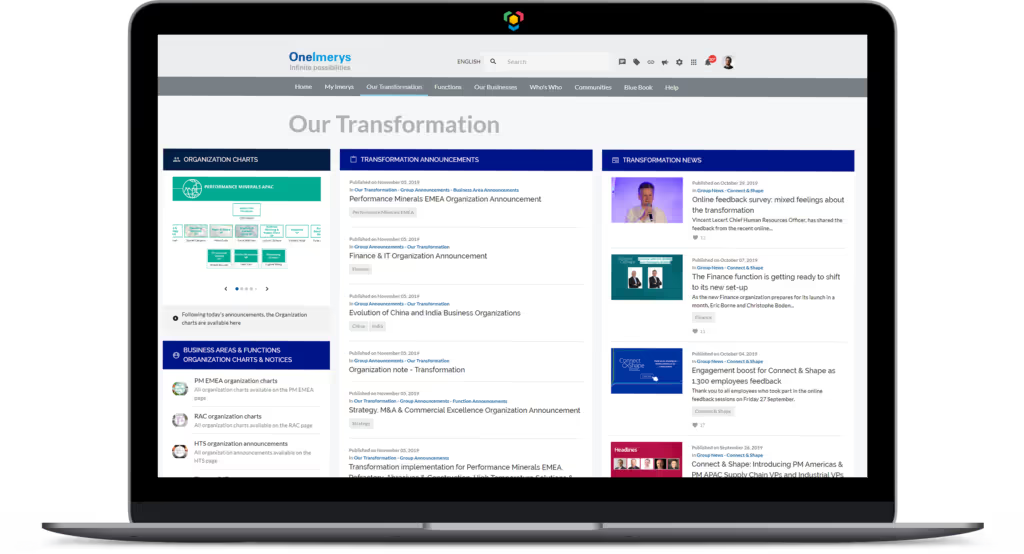
Modern employee hubs and intranet platforms help organizations scale culture by bringing communication, collaboration, and knowledge together in one place. Rather than living in one-off presentations or annual initiatives, culture becomes part of how employees connect, communicate, and get work done.
LumApps gives employees one branded place to access updates, join communities, find knowledge, and complete everyday tasks. By making information easier to access and helping employees stay connected, organizations can create a more consistent culture across teams, locations, and work environments.
6. Reinforce culture through recognition and communication
Employees are more likely to embrace cultural norms and behaviors when they see them regularly reinforced through recognition, storytelling, leadership visibility, and ongoing communication.
Recognition does not always need to be formal. Celebrating examples of collaboration, innovation, customer impact, or team support helps employees understand which behaviors are valued and encourages others to follow their lead.
Communication also helps maintain alignment during periods of growth and change. Consistent messaging across channels helps employees stay aligned on priorities, understand leadership direction, and remain connected to the organization’s purpose.
How to build company culture in remote and hybrid teams
Remote and hybrid work models have changed how companies approach culture-building. Employees may work across offices, homes, field locations, and time zones while still needing a shared sense of connection and alignment. Without intentional communication and consistent employee experiences, culture can weaken across teams.
Organizations exploring how to create culture in a remote company should focus on creating consistency regardless of location. Strong remote cultures often depend on:
- Clear communication rhythms
- Accessible leadership updates
- Inclusive collaboration practices
- Shared knowledge systems
- Recognition across distributed teams
- Mobile-friendly employee experiences for frontline workers
Just as importantly, employees need opportunities to participate in conversations, communities, and recognition programs — even when they rarely meet in person.
Organizations focused on how to create culture in a remote company often find that visibility and accessibility become critical. Easy access to information, communication, and support helps your employees stay connected wherever work happens.
Common challenges when building company culture
Building culture at scale comes with challenges, especially during periods of rapid growth or change. Strong organizational culture requires ongoing reinforcement, visibility, and adaptation rather than a one-time rollout.
Some of the most common challenges include:
- Inconsistent employee experiences: When company values are interpreted differently across departments, locations, or teams, employees can have very different experiences of the same culture.
- Leadership misalignment: Employees notice when leaders communicate conflicting priorities or model different behaviors. Mixed signals can make it harder to reinforce shared expectations across the organization.
- Low adoption of culture initiatives: Culture programs often lose momentum when they feel disconnected from day-to-day work rather than embedded in existing workflows and communication channels.
- Culture drift: As organizations grow, adopt hybrid work models, or introduce new tools and processes, employees may feel less connected to the company’s identity and ways of working.
- Fragmented communication: Information spread across multiple channels can make it difficult for employees to stay aligned on priorities, especially in distributed and frontline environments.
How to maintain and evolve company culture
Company culture isn’t static. It evolves as organizations grow, hire new employees, adopt new technologies, and respond to changing workforce expectations. Maintaining a strong culture requires ongoing attention, measurement, and adaptation.
Organizations can monitor culture health through:
- Employee engagement surveys
- Retention trends
- Communication analytics
- Participation in communities and programs
- Manager feedback
- Employee sentiment and listening sessions
The idea isn’t to preserve your culture exactly as it exists today. It's to ensure culture continues to reflect the organization's values while meeting the needs of a changing workforce.
This becomes especially important during mergers, restructuring, leadership transitions, or periods of rapid hiring. Clear communication and visible reinforcement help employees stay connected to the organization's values and maintain trust during times of change.
Organizations that build sustainable cultures typically treat culture as an ongoing operational priority rather than a standalone HR initiative.
The role of communication and technology in company culture
Technology shapes how employees experience your culture. In large and distributed organizations, employees rely on digital tools to access information, communicate with colleagues, and stay aligned on company priorities.
When those experiences feel fragmented, culture can feel fragmented too. That’s why many organizations are investing in connected employee platforms that bring communication, collaboration, and knowledge together in one place.
Modern intranet and employee hub platforms help reinforce culture by:
- Centralizing leadership communication
- Supporting employee communities
- Improving access to knowledge and resources
- Enabling recognition and engagement
- Connecting frontline and desk-based employees
- Delivering more personalized employee experiences
When evaluating long-term company culture solutions, look for platforms that support consistent communication, meaningful employee connection, and alignment across teams as your organization grows.
Put your company culture strategy into action with LumApps
Learning how to create a company culture that scales starts with turning values into everyday experiences. Leadership behaviors, employee feedback, communication systems, and shared workflows all play a role in building and reinforcing culture.
Technology can support that effort by making communication, knowledge, and connection more accessible across your organization. Employee hubs and modern intranet platforms provide a central place to share updates, connect with peers, improve access to information, and create more consistent employee experiences.
LumApps helps organizations bring culture into the flow of work. Teams can share targeted communications, support employee communities, deliver onboarding and learning, recognize contributions, and make important information easier to find — all within a single platform. With LumApps, culture becomes easier to reinforce across every team, location, and stage of the employee journey.
Ready to strengthen your company culture? Explore LumApps company culture solutions or take the on-demand tour to see how connected employee experiences can reinforce culture at scale.
FAQ: Creating a company culture
How do you scale company culture across large or global organizations?
Scaling culture requires more than leadership messaging. Organizations need consistent communication, shared expectations, leadership alignment, and accessible employee experiences across locations and teams. Digital employee hubs can also help reinforce culture through centralized communication and information.
How do you operationalize company culture in day-to-day work?
Culture becomes operational when organizations connect values to everyday experiences, including onboarding, recognition, leadership behavior, and communication. Employees should see culture reflected not only in what leaders say, but in how decisions are made and how teams work together every day.
How do you measure and benchmark company culture effectiveness?
Organizations often measure culture through employee engagement surveys, retention trends, communication analytics, employee feedback, and participation in employee communities and workplace programs. Benchmarking can also help identify gaps between leadership intentions and the employee experience.
What systems or tools help reinforce company culture?
Many organizations use employee hubs, intranet platforms, communication tools, recognition systems, and collaboration platforms to support company culture. These systems help employees stay informed, connected, and aligned regardless of where they work.
How do you maintain culture during organizational change or growth?
Clear communication and leadership visibility become especially important during periods of growth and change. Organizations that maintain a strong culture through transitions often prioritize transparency, employee feedback, reliable communication, and shared expectations across teams.















Get started with LumApps
We would love to know more about your goals. How can we help?
