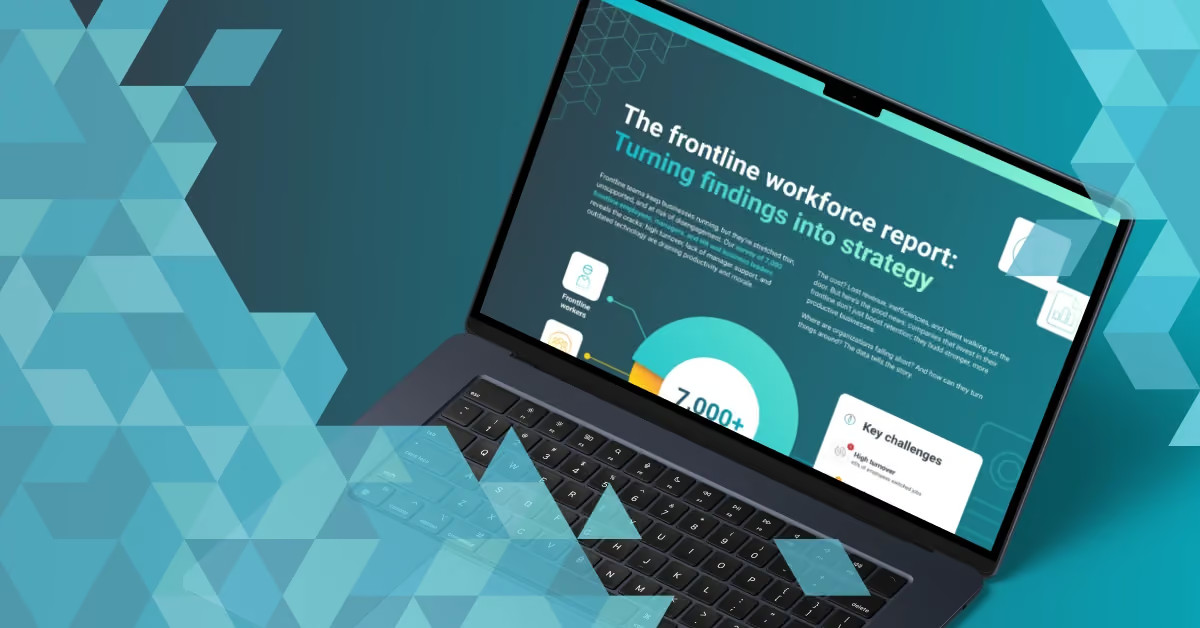
The frontline workforce report: Turning findings into strategy
At Beekeeper, we believe thriving frontline teams are the key to business success. But despite growing awareness, many companies still struggle with high turnover, low engagement, and slow tech adoption. To better understand these challenges and how to solve them, we surveyed over 7,000 frontline workers, managers, and HR and business leaders across industries like manufacturing, hospitality, retail, and healthcare.
Understanding the state of frontline work in 2025
At Beekeeper, we believe thriving frontline teams are the key to business success. But despite growing awareness, many companies still struggle with high turnover, low engagement, and slow tech adoption. To better understand these challenges and how to solve them, we surveyed over 7,000 frontline workers, managers, and HR and business leaders across industries like manufacturing, hospitality, retail, and healthcare.
The 2025 Frontline Workforce Pulse Report reveals what’s really happening on the ground and what companies can do today to build stronger, more connected frontline teams.
Frontline retention is improving — but not enough
After years of instability, 2024 brought a slight drop in frontline turnover. Job-hopping decreased from 52% to 45%, and the hospitality industry saw a 7% improvement year-over-year. But even with these small wins, turnover remains high, and the underlying causes: burnout, lack of advancement, and poor communication — haven’t gone away.
The 2025 Frontline Workforce Pulse Report shows that frontline workers are still seeking better opportunities. And when they leave, they take institutional knowledge with them — making it harder for teams to stay productive and connected.
Managers are stuck in the middle
Managers feel the strain, too. They’re tasked with keeping disengaged teams motivated while navigating their own frustrations. Nearly a third of managers (29%) say unclear priorities and insufficient support from leadership prevent them from doing their jobs effectively.
This communication gap between workers, managers, and leadership is one of the biggest barriers to improving frontline operations — and one of the easiest to fix with the right tools.
🛠️ Beekeeper helps solve this challenge by enabling real-time communication across all levels of the organization. Learn how our HR solutions support frontline engagement from day one.
AI could help, but workers don’t trust it
AI is rapidly changing how frontline teams operate, but trust is lagging behind adoption.
- 36% of frontline employees don’t trust AI
- 30% say they don’t understand how AI is used
- Only 17% believe AI could help them in their role
Meanwhile, nearly a quarter of managers are skeptical, and more than a third don’t know how AI could improve performance.
This disconnect poses a major risk. While leadership pushes for innovation, those on the ground feel uncertain or excluded from the conversation.
📲 With Beekeeper’s Frontline Success Platform, companies can close the gap by educating, informing, and including every employee in real-time digital workflows.
Why communication is the key to retention and performance
Across every trend in the report, from retention to AI adoption, one theme stands out: communication breakdowns are at the root.
Workers want to be heard. Managers want clear direction. HR wants consistent engagement. But without a central way to connect, these goals stay out of reach.
Processes like onboarding, shift handovers, and training often rely on outdated or siloed tools. This not only frustrates employees but slows down operations.
Beekeeper solves these pain points by giving teams one secure, centralized place to connect, communicate, and take action.
🔐 Learn how our IT and security features protect your frontline communications.
What the 2025 Pulse Report recommends
To retain workers and adapt to change, businesses must:
- Invest in modern digital tools that support real-time, two-way communication
- Equip managers with clear direction and easy-to-use operational tools
- Provide transparent, role-relevant information about AI and its applications
- Make learning, development, and career growth part of everyday work
Frontline leaders are facing real challenges, but with the right insights and tools, meaningful change is within reach. The infographic below highlights the most important takeaways from our 2025 Frontline Workforce Pulse Report, from turnover trends to AI adoption and communication gaps. Use it to start conversations, inform strategy, and guide your next steps in building a more connected, resilient frontline workforce.
Turning findings into strategy

About the author
Top

_en_opt.webp)