How the Employee Experience Affects Your Team Productivity
These days, a good job is about more than money. Employees want to like where they work. And it’s up to you to create an employee experience that does just that. The result? A high-functioning, productive company.

These days, a good job is about more than money. Employees want to like where they work. And it’s up to you to create an employee experience that does just that. The result? A high-functioning, productive company.
First, you need to understand what employee experience is. Employee experience is the collection of all the experiences your team members go through while working for your company. The elements that create employee experience include good managers, transparent and inclusive communication, a comfortable and safe workplace, supportive leadership, inclusive culture, diversity, and technology.
Now, you need to understand how employee experience impacts productivity. When the employee experience is good—when employees enjoy their job, their managers, their colleagues, and the company—your team will be engaged and invested in their jobs and work harder.
A poor employee experience leads to high absenteeism and low retention. Today, about 3.5 million Americans quit their jobs every month. Modern workers realize that they have choices. If they don't enjoy their current role, they can find another. Employee experience directly impacts your employee turnover rates.
Here are five key takeaways from our latest ebook, How the Employee Experience Affects Team Productivity (And What to Do About It). Read the entire white paper to learn how to create an exceptional employee journey.
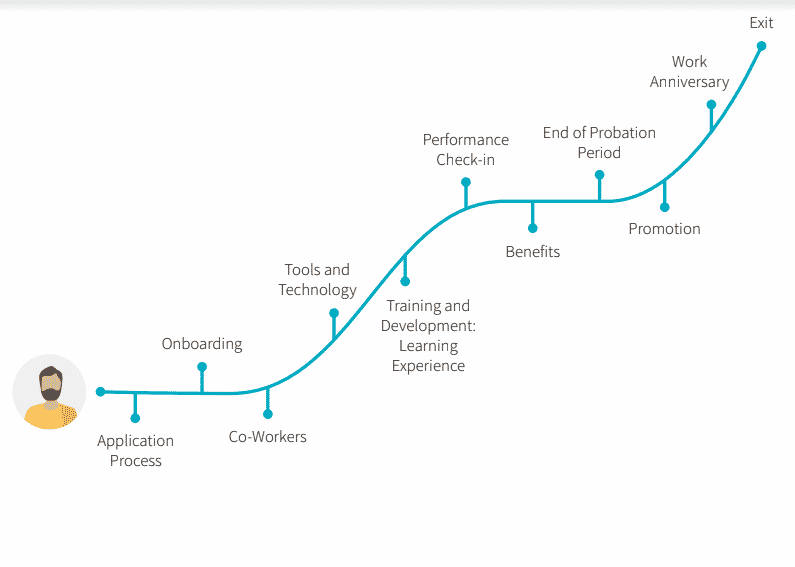
1. So—What’s Your Employee Experience Like?
If you’re looking to build a more productive team, start by analyzing your employee journey. Do your employees enjoy working for your company? What are your physical and digital environments like and what do they offer your workforce? From the moment an employee is hired to the moment that person leaves, discover the milestones that matter to them, then map and monitor those experiences closely so you can determine which steps in the employee journey need improvement and which are succeeding as is.
2. A Digital Workplace Is Your Ticket to Better Communication
The majority of today’s workforce is either mobile or works off-site for at least part of the time. To elevate your employee experience, adopt mobile-friendly, digital tools that include every employee in communication to help employees maximize productivity in their individual roles. Invest in the right software tools that will improve the employee experience and allow your staff to get more done in less time.
With a mobile-first communication platform, companies can:
- Connect their frontline teams to the tools they need
- Resolve issues faster with real-time, traceable communications
- Communicate efficiently with voice or text
- Provide instant access to essential training documents
- Automate or personalize employee recognition and onboarding
Pro tip: Spend a day working alongside different teams within your organization to see the employee experience from their perspective.
3. Employee Experience Begins with the Hiring Process
Employee experience begins even before an employee’s first day on the job. It starts during the interview process. Set expectations when you sit down with candidates in their interview. Give details about the company and the role so they know what to expect.
According to Jobvite, almost 30% of jobseekers have left a new job within the first 90 days of starting. 43% of these folks claim the reason was because their day-to-day role wasn't what they expected it to be.
4. Communication is Key, Especially for Frontline Employees
Communication is a big component of employee experience. It’s the exchange of information, both top-down and bottom-up, that enables a workforce to be productive. Communication is especially important with frontline teams who are often left out of internal dialogue. What kind of communication are they looking for at work?
- 81% believe that improved training will help them feel more engaged and happy.
- 90% want the ability to access information anytime and anywhere as part of their work.
- 79% believe more frequent learning opportunities would help them feel more engaged at work.
Use an employee app to include every employee and maximize productivity by using it for:
- Recognition: Announce kudos for personal and professional milestones and for exceptional job performance.
- Regular feedback: Instead of relying on annual performance reviews, connect with individual team members on a routine basis to give feedback on their work. This is especially true for younger frontline workers who crave real-time feedback from their managers and want to be nurtured and grow within their roles.
- Training opportunities: Create a virtual classroom through your employee communications app to provide opportunities for professional development.
5. Leverage Data to Improve the Employee Experience
All roads, and numbers, lead back to employee experience. Look at data, like turnover, profits, and output. They’ll reveal what you need to know about your employee experience.
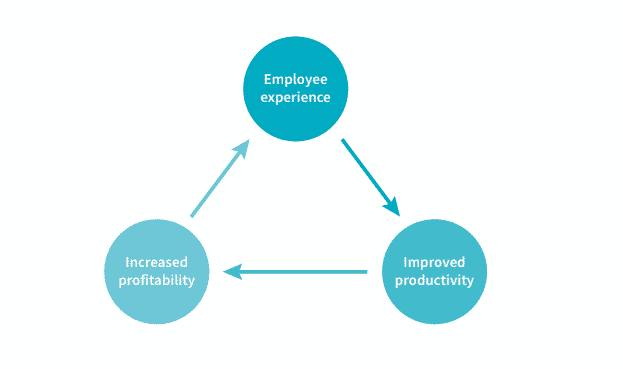
You can't improve the employee experience until you understand how your current strategies are received by your team. Armed with this information, you can make educated decisions regarding the employee journey and implement new tactics geared at boosting productivity.
You can find out this information from your HR department, by talking with current employees, or reviewing exit interview feedback. You need to know what employees think in order to create strategies to help them do their best. The data you glean will allow you to build a better employee experience for a thriving, productive workforce.
Learn how employee experience can maximize productivity by downloading our ebook How the Employee Experience Affects Team Productivity.
About the author
Top