Creer des liens dans une main-d'oeuvre dispersee : enseignements de Bright Conference
.avif)
The way we work has transformed significantly in recent years. Distributed teams are becoming the norm, with evolving expectations for flexibility, connection, and digital tools. But as organizations adapt to this new landscape, one persistent challenge remains clear: how do we build meaningful connections within a dispersed workforce?
During a roundtable discussion at the Bright Conference, hosted by LumApps, industry leaders shared insights, strategies, and real-world examples on overcoming the hurdles of disconnection and creating vibrant, engaged work communities.
Below, we gather key takeaways and actionable ideas to enhance workplace connectivity, ensuring your teams thrive no matter where they’re located.
The Cost of Disconnection Is High
The session began with a sobering look at the critical issue of loneliness in the workplace. Data revealed that 50% of adults report feeling lonely regularly, with 65% experiencing disconnection at work. Among young professionals, the numbers are stark, with nearly 1 in 5 lacking a source of social support. This sense of isolation can erode trust in leadership, reduce engagement, and ultimately harm productivity and retention.
But there’s hope. As several experts noted, organizations that prioritize community, belonging, and collaboration can drive not only human well-being but also measurable business value.
Why Belonging Matters in Remote Work
Building a sense of belonging isn’t just a feel-good initiative; it’s a strategic imperative. Host Chris Catania emphasized the importance of integrating community-driven approaches into the employee experience (EX). He introduced the 3E impact model (Experience, Enablement, Evaluation), stressing that success requires a balanced focus on all three. If any element is neglected, the value and impact diminish.
Here’s where the disconnect between leadership and employees becomes apparent. While most leaders understand the idea of community on a personal level, many struggle to translate it into workplace practices. For companies to move the needle, they need to align their strategies with both employee needs and business outcomes.

Innovative Strategies to Foster Connection
During the session, participants explored creative ways to strengthen bonds within distributed teams. From leveraging technology to embedding fun into virtual interactions, these approaches offer practical inspiration:
1. Social Initiatives That Create Human Connection
- Virtual Summer Camp: A standout example came from one company that hosted a "summer camp from home." Employees were grouped into teams and engaged in friendly digital competitions. By encouraging playful collaboration, colleagues got to know one another as individuals, breaking down silos and forming lasting partnerships.
- Interest-Based Communities: Several leaders highlighted the value of creating spaces where employees can connect over shared interests. From travel photo contests to food recipe exchanges to goofy pet photo challenges, these interest groups allowed teams to bond in ways unrelated to their roles, fostering genuine camaraderie.
.webp)
2. Leadership Engagement and Visibility
Leadership participation is key to driving community initiatives. However, as Stacie Tong, head of brand marketing and internal comms at Constellium, aptly pointed out, leaders often need solutions that reduce the burden of engagement while still fostering connection. One creative suggestion was using tools like AI to help leaders craft personalized, polished communications that resonate with their teams.
Another strategy? Framing community participation as a competition. Departments or direct reports from leaders can compete in friendly ways to energize participation while reinforcing organizational goals.
3. Making Connections Frictionless with Technology
Remote and hybrid teams rely on digital platforms to stay connected—but fragmented tools can make communication feel disjointed. Jessica Johnson emphasized the need for centralized platforms like intranets that serve as a home base for collaboration. These tools promote alignment across teams by consolidating communication, sharing photos and events, and boosting engagement.
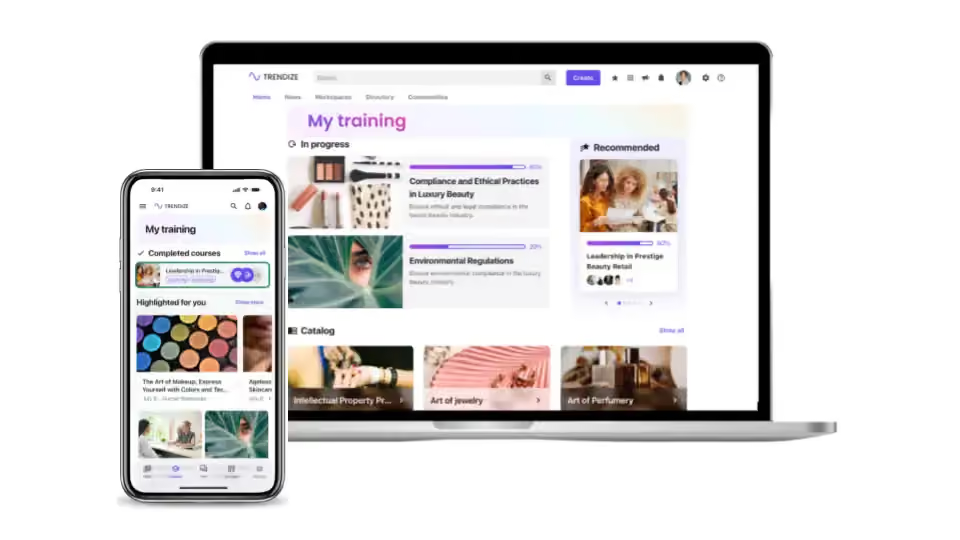
At LumApps, we know a tailored digital ecosystem can transform how dispersed teams operate. Our intranet brings communication, content sharing, and engagement tools together in one place - a seamless employee hub - streamlining workflows and making it easier for dispersed teams to stay connected and productive.
.webp)
4. Measuring Success and Proving Value
Fundamentally, leadership wants community-driven initiatives to deliver business results. Demonstrating ROI is crucial, but leaders at the roundtable acknowledged that traditional metrics often fall short. Instead, Beth Schaeffermann suggested tracking engagement trends and tying them to clear KPIs like retention, onboarding success, or attrition rates.
Incorporating sentiment analysis tools and multi-reaction features can also provide insights into how employees feel about their work experiences. By drawing connections between participation trends and real-world outcomes, organizations can build a compelling case for sustained investment.
Looking Ahead: Building a Brighter Future of Work
The roundtable concluded with a clear message for the future. To succeed in a dispersed workplace, organizations must commit to continually evolving their approach to connectivity. Here are actionable steps companies can take today:
- Create Cross-Team Initiatives: Implement competitions, collaborative projects, or rotational groups to encourage organic connections beyond job functions.
- Leverage the Right Tools: Adopt platforms that centralize communication and streamline collaboration while offering features tailored to employee needs.
- Empower Community Managers: Invest in individuals who can serve as "connectors" within your organization, driving initiatives and monitoring engagement metrics.
- Set Leaders Up for Success: Provide leadership teams with low-lift tools that enhance visibility and participation without overburdening their schedules.
- Prioritize Engagement Data: Track metrics that demonstrate the wider impact of community-driven strategies, from reduced churn to improved productivity.
By embedding these practices, organizations not only foster a sense of belonging; they create workplaces where individuals feel valued, supported, and deeply connected.
A Smarter Way to Build Community With LumApps
At LumApps, we’re helping organizations solve the connection crisis with innovative, intuitive solutions. Our platform transforms the way teams work together, making it easy to share, collaborate, and stay connected no matter where they are. Whether bringing employees back to the office or engaging remote teams, we’re committed to helping organizations build a brighter future of work, one connection at a time.
Start your transformation today. Together, we can reimagine what’s possible in the workplace.


_en_opt.avif)